


american auto extended warranty selection guide for first-time buyers

I started pricing coverage for my six-year-old sedan after a sudden coolant leak spiked my anxiety. I wanted accuracy more than hype, and a result that looked good on paper and in the shop.

What it is, plainly

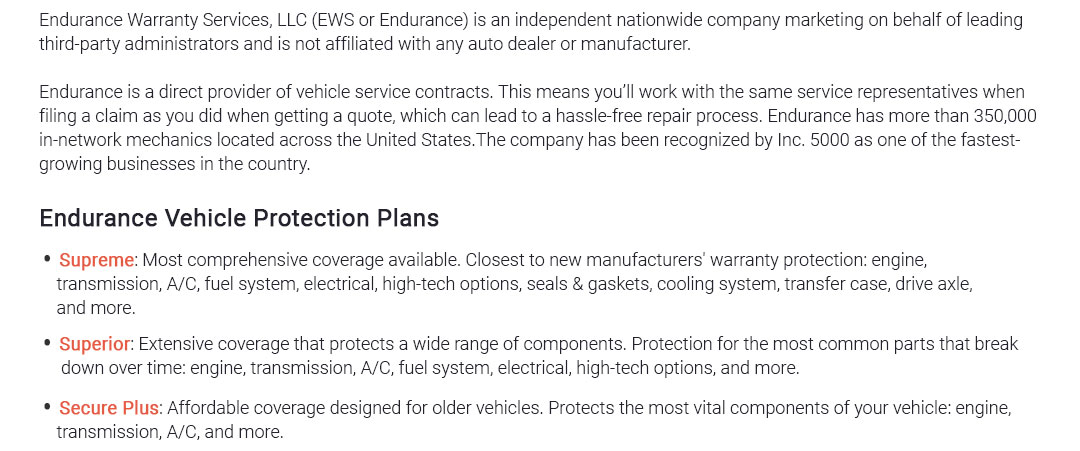
An extended warranty here is a service contract that pays for certain repairs after the factory warranty ends. It shifts some risk to a provider for a set price, sometimes with a deductible. That's it - no magic, just rules and limits.

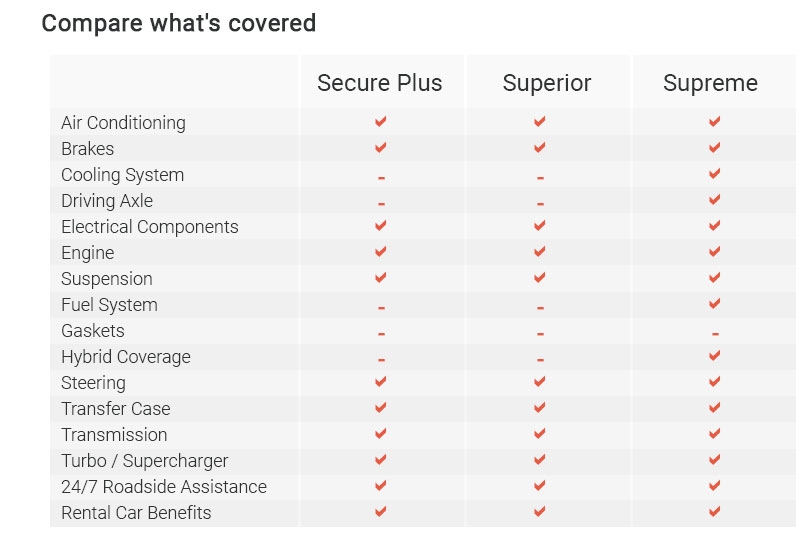
Coverage areas that actually move the needle

  • Powertrain: engine, transmission, drive components - high-cost items, strong value if you keep the car.
  • Modern electronics: infotainment screens, sensors, ADAS modules; coverage varies widely.
  • Cooling and HVAC: water pump, radiator, AC compressor - common mid-cost failures.
  • Seals and gaskets: sometimes covered only with specific riders; leaks can be pricey.
  • Wear items: usually excluded (brakes, tires, wipers). If they're included, check the fine print twice.

Common exclusions to verify

  • Maintenance and adjustments
  • Pre-existing conditions and neglected service
  • Aftermarket modifications causing failures
  • Overheating due to low fluids or misuse
  • Cosmetic issues and squeaks/rattles, unless stated

Cost and value - how I sized it

I compared three quotes: $1,950, $2,400, and $3,300 for roughly 3 years/36,000 miles. To gut-check value, I estimated the big-ticket risks I'm likely to face during that window.

  1. List the top 3 plausible failures for your model (forums and TSBs help): e.g., water pump ($900), infotainment unit ($1,400), AC compressor ($1,200).
  2. Assign a rough probability for each during the term (conservative, not optimistic).
  3. Compute an expected value: probability × repair cost, then sum. Compare to premium + deductible.
  4. Check the claim friction: ease of approval can matter as much as math.

Reframed another way: I wasn't buying repairs - I was buying predictability. A fixed cost replacing the headache of surprise bills.

Provider types and how they felt different

  • Manufacturer-backed: strong shop acceptance, cleaner claims; costs a bit more, fewer arguments.
  • Third-party administrators: wider coverage choices; vet financial stability and reviews.
  • Dealer-labeled: often rebranded third-party; negotiate price and verify who actually pays claims.

Contract must-reads (no skipping)

  1. Exclusions and definitions: how "wear," "overheating," and "pre-existing" are defined.
  2. Diagnostics: who pays if the repair isn't covered.
  3. Labor guides: OEM vs book time - affects payout amounts.
  4. Parts type: new, reman, or used; some allow equivalent spec replacements.
  5. Maintenance proof: oil change intervals, receipts, and acceptable documentation.
  6. Network and freedom: any shop vs approved network; direct pay vs reimburse.
  7. Transfer/cancel rules: pro-rata refunds, fees, and deadlines.

How claims usually flow

  1. Bring the car to an approved shop (or your choice, if allowed).
  2. Shop diagnoses; they call the administrator with codes and estimates.
  3. Adjuster approves, negotiates, or denies.
  4. You pay the deductible and any non-covered line items.
  5. Provider pays shop directly or reimburses you.

A real-world moment

On a rainy Tuesday, my dash lit up and the temperature needle climbed. I coasted into a nearby shop, called the administrator from the service bay, and they approved a water pump replacement after a quick inspection. I covered a $100 deductible plus coolant; the invoice showed $878 saved. It wasn't instant, but it was smooth.

A small reframing that helped me decide

At first I chased "maximum coverage." Later I realized I wanted targeted protection for my car's known weak points and a process that wouldn't stall my commute. Same goal, different lens.

Quick selection framework I used

  • Keep or flip? If I'll sell within a year, I skip or buy a plan that's easily refundable.
  • Shop access matters more than a long brochure. If my trusted shop can't work with it, pass.
  • Big risks only: prioritize powertrain and high-tech modules; skip fluff like key fob coverage.
  • Math check: premium + deductible per likely claim ≤ realistic repair costs.
  • Paper trail: I committed to saving every service receipt.

Red flags I avoided

  • "Bumper-to-bumper" claims with pages of exclusions
  • Mandatory tear-down at my expense without clear approval rules
  • Coverage that starts after a long waiting period with mileage caps that I'd exceed
  • Phone-only sellers pushing "last day" deals
  • No sample contract before payment

What delivered results for me

  • Clear claims pathway: administrator answered fast; shop knew the drill.
  • Right deductible: $100 hit the sweet spot for my repair profile.
  • Transparent parts policy: reman OK for me; I verified exceptions.
  • Pro-rata cancellation: gave me flexibility if I sell early.

If you're undecided

Ask for two quotes: one powertrain-focused, one exclusionary (near-comprehensive). Price the difference against the added systems you actually fear. You'll see your preference show up in the numbers.

Bottom line

Accuracy begins with the contract and ends with the claim. If the math makes sense and the process is clear, an american auto extended warranty can turn a chaotic repair year into a predictable line item. If either piece feels fuzzy, keep your cash and build a repair fund instead.

https://americaautocare.com/
Disclosure: A Vehicle Service Contract (VSC) is often referred to as an "auto warranty" or an "extended car warranty," but it is not a warranty.

https://www.americanautorepaircoverage.com/
Stop paying for costly repairs with American Auto Repair Coverage. Call our licensed professionals for a vehicle service contract quote.

https://www.aaprotect.com/
American Auto Protection offers specialized F&I solutions and reinsurance strategies for new and used car dealerships. Our services, including vehicle ...


atwratnwm
4.9 stars -1620 reviews